
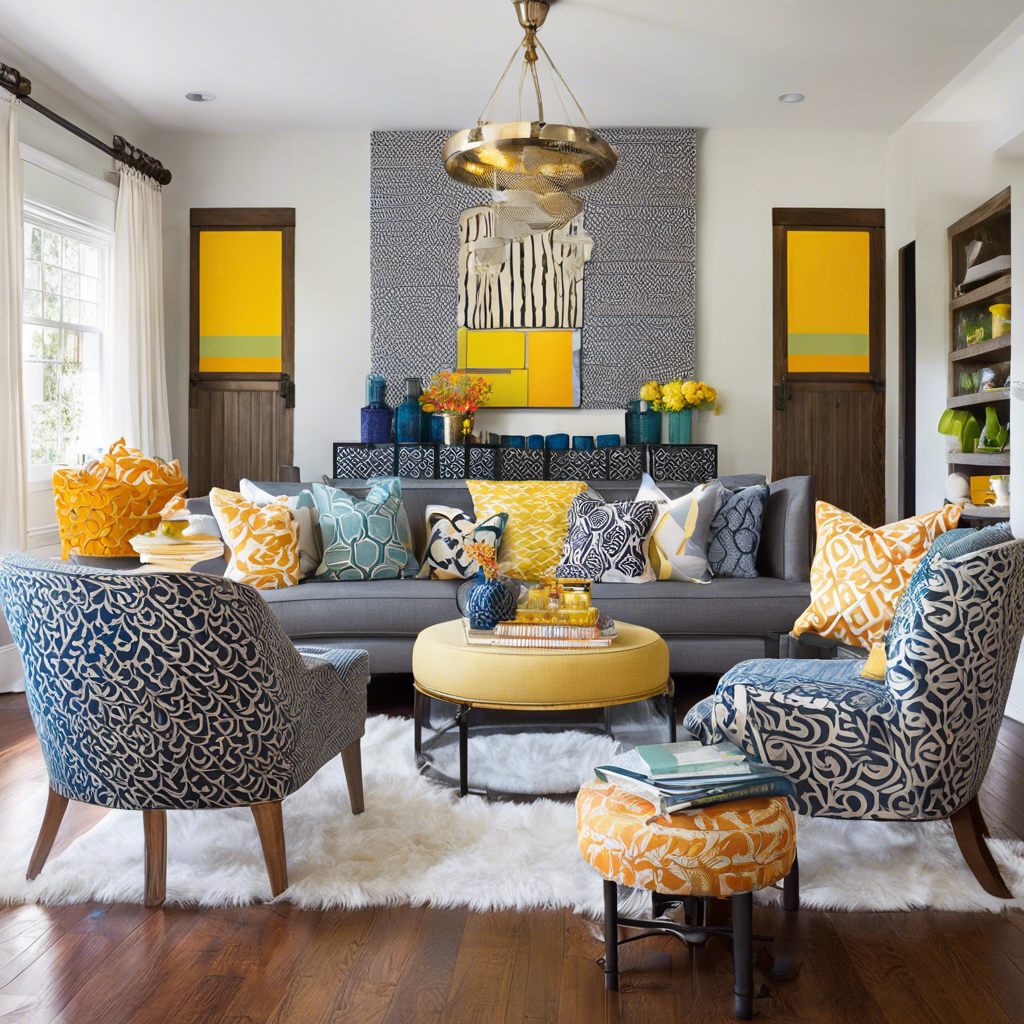
Mixing patterns and textures in décor is an art form that can bring depth, character, and visual interest to any living space. While some may view it as a daunting task, embracing the interplay of patterns and textures allows for a truly unique and personalized interior design. So, how can you master this art and create a harmonious blend in your own home? It’s all about finding the right balance and understanding a few key principles. First, consider the concept of contrast. Successful pattern mixing involves combining different patterns in a way that creates visual interest. For instance, pairing a bold geometric print with a delicate floral pattern can be captivating. The key is to ensure the colors within the patterns complement each other, creating a cohesive look. Similarly, when working with textures, contrast is essential. Think of combining smooth silk cushions with a chunky knit throw or a sleek glass vase with rustic wooden décor. These juxtapositions add a layer of sophistication and keep the design from becoming monotonous.
When mixing patterns and textures, it’s crucial to establish a common color palette to tie the different elements together. This cohesive color scheme provides a foundation for your design and ensures that the various patterns and textures work in harmony rather than compete for attention. For example, if you’re drawn to a vibrant paisley print, extract a few key colors from it and use them as your guiding palette. Then, introduce other patterns and textures that incorporate these colors, allowing for subtle variations and shades. This approach creates a visually pleasing and unified space. Another tip for successful mixing is to incorporate a variety of scales. Patterns can vary in scale from large and bold to small and subtle. Mixing different scales adds interest and prevents the design from feeling overwhelming or too busy. Consider using a large-scale pattern for a statement piece, like a sofa or curtains, and complement it with smaller-scale patterns on accessories like cushions or artwork. This technique ensures that each element has its moment to shine without overwhelming the overall design.
Layering is a powerful technique to master when mixing patterns and textures. It involves adding depth and dimension to your décor by stacking and arranging various elements. Start with a base layer, such as a solid-colored sofa or a plain wall, and gradually build upon it. Add patterned cushions, a textured rug, and perhaps a woven throw blanket. Each layer should contribute to the overall aesthetic while still allowing individual pieces to stand out. Layering also allows for experimentation with different materials and fabrics, creating a sensory experience within the room. Lastly, don’t be afraid to trust your instincts and have fun with your décor. Mixing patterns and textures is an opportunity to express your personal style and create a space that feels truly yours. Play around with different combinations, and don’t be afraid to make adjustments until you achieve the perfect balance. Remember, the goal is to create a welcoming and visually appealing environment that reflects your unique taste. So, embrace the art of mixing, and watch your living space transform into a captivating and harmonious haven.